
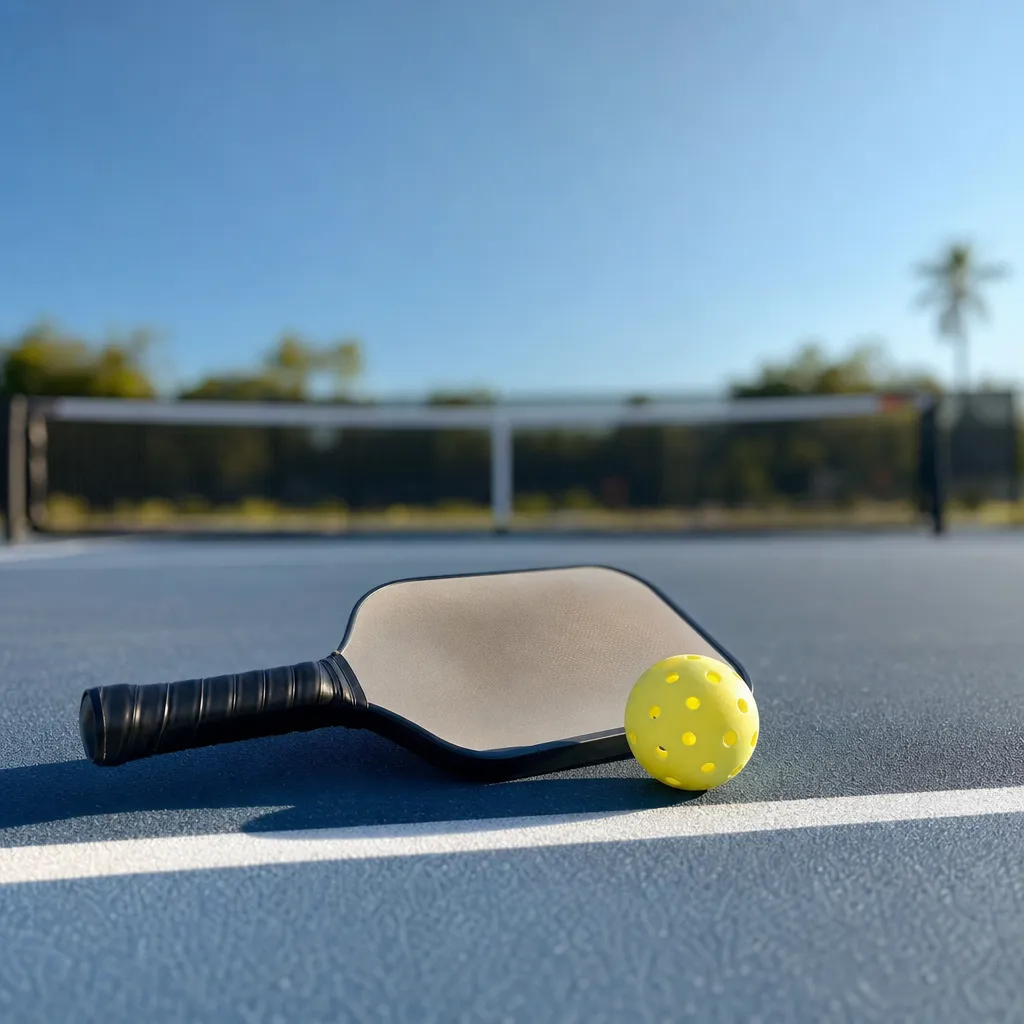
Pickleball Injuries in Edmonton: Shoulder, Elbow, and Knee Pain (and How to Keep Playing)
Pickleball injuries in Edmonton rise every spring and summer as courts at venues like the Saville Community Sports Centre and outdoor courts across the river valley fill up. The most common complaints we see in active players are shoulder pain, elbow pain (often called pickleball elbow), and knee pain. These injuries usually build up from repetitive overhead swings, quick lateral cuts, and sudden stops on hard court surfaces, not from a single dramatic moment. The encouraging part is that most pickleball injuries are soft tissue strains and overuse patterns that respond well to assessment, load management, and a structured physiotherapy plan. At Aura Physiotherapy in downtown Edmonton, a physiotherapist assesses the movement behind your pain so you can keep playing while you recover.
This article walks through the three injury areas pickleball players ask about most, the warning signs worth taking seriously, and how evidence-informed physiotherapy supports your return to the court.
General information only, not a diagnosis. Our physiotherapists, chiropractor and massage therapists assess every patient first.
Why pickleball causes shoulder, elbow, and knee pain
Pickleball looks low impact, and that is part of why injuries sneak up on players. The sport combines repeated overhead and side-arm swings with frequent direction changes on a hard surface. For players returning to sport after years away, the tissues of the shoulder, forearm, and knee are loaded faster than they have adapted to. Volume is often the real culprit: three or four sessions a week, several games each, with little warm-up or recovery between them. Over time, repetitive load on the rotator cuff, the forearm tendons, and the knee can outpace the body's ability to recover. Understanding this load-versus-capacity gap is the foundation of how physiotherapy addresses pickleball injuries, because the goal is to build capacity rather than simply rest until the pain fades and then returns.

Pickleball shoulder pain and the rotator cuff
Shoulder pain in pickleball usually traces back to the overhead serve, the put-away smash, and reaching for high balls. These motions load the rotator cuff, the group of muscles that stabilize the shoulder joint. Players often describe a dull ache on the outside of the shoulder, pain when lifting the arm overhead, or discomfort that shows up the morning after a long session. Rotator cuff irritation and tendinopathy are common in players over 40, where tissue takes longer to adapt to new demands. A physiotherapy assessment looks at shoulder mobility, rotator cuff strength, and how your shoulder blade moves during overhead reach. From there, a treatment plan typically combines manual therapy with progressive strengthening so the shoulder can tolerate the demands of serving and smashing. Ignoring early shoulder pain tends to lead to compensations elsewhere, which is why an early assessment matters.
Pickleball elbow: forearm and tendon pain
Pickleball elbow is the player nickname for lateral or medial epicondylalgia, an overuse irritation of the tendons that attach near the elbow. It is closely related to what many people know as tennis elbow and golfer's elbow. The cause is repetitive gripping and wrist movement during dinks, drives, and serves, often made worse by a paddle grip that is too small or too large, or by tension in the forearm during long rallies. Players notice pain on the outside or inside of the elbow, a weaker grip, and discomfort when shaking hands or lifting a kettle. Physiotherapy for elbow tendon pain centres on graded loading exercises that rebuild tendon capacity, alongside guidance on grip size, technique, and playing volume. Manual therapy and dry needling are sometimes used as part of a broader plan to support comfort during the loading phase, never as a standalone fix.

Pickleball knee pain and lower body strain
Knee pain in pickleball comes from the split steps, lunges, and quick pivots the sport demands. Players report aching at the front of the knee, pain on stairs after playing, or a sharp catch when changing direction. Common patterns include patellofemoral pain, where the kneecap is irritated by repeated loading, and irritation of the tendons around the knee. Hard outdoor and gym court surfaces increase the load on the knees, calves, and hips with every stop. A physiotherapy assessment looks beyond the knee itself to hip strength, ankle mobility, and how you absorb force when you land and cut. Treatment usually combines strengthening of the hips and thighs, movement retraining for safer cutting and lunging, and a gradual return to court volume. Many players are surprised that strengthening above and below the knee is what settles the knee itself.
Warning signs that deserve an assessment
Most pickleball aches settle with a short rest and a sensible return to play. Some signs, though, are worth having checked by a physiotherapist sooner rather than later. Book an assessment if you notice pain that lasts more than two weeks despite reducing your playing, pain that wakes you at night, swelling that does not settle, a joint that feels unstable or gives way, or a sharp loss of strength or range of motion. Sudden severe pain during a game, a pop you can feel, or an inability to bear weight also warrant prompt attention. Catching these patterns early gives you more options and usually a smoother path back to the court. An assessment is not about being told to stop playing. It is about getting a clear picture of what is happening so your plan fits your goals.
How physiotherapy helps you keep playing pickleball
At Aura Physiotherapy, a pickleball-related assessment starts with understanding your game, your playing volume, and what you want to get back to. Your physiotherapist examines the painful area and the movement patterns around it, then builds a treatment plan that may include manual therapy, exercise therapy, and load management so you can keep moving while you recover where it is appropriate to do so. The plan is built around you rather than a generic template, and it adapts as you progress. We serve active adults and athletes across Oliver, the West End, and downtown Edmonton from our clinic at Academy Place, 11520 100 Ave NW. If pickleball shoulder, elbow, or knee pain is holding back your game, an initial assessment is a practical first step. You can book an initial assessment online, explore our sports rehabilitation services, or call us at (587) 405-3174.
Frequently asked questions about pickleball injuries
Do I need a doctor's referral to see a physiotherapist for a pickleball injury in Alberta?
No. Physiotherapy is a direct-access profession in Alberta, so you can book an initial assessment without a doctor's referral. Some extended health plans ask for a referral for reimbursement, so it is worth checking your specific plan.
Can I keep playing pickleball while I recover?
Often yes, with adjustments. Many players continue a modified level of play during recovery, guided by their physiotherapist's plan around volume, technique, and load. Your assessment helps determine what is appropriate for your situation.
How long does a pickleball injury take to settle?
It depends on the tissue involved, how long the pain has been present, and your playing load. Soft tissue and overuse injuries vary widely from person to person, which is why an individual assessment and plan are more useful than a fixed timeline.
Is pickleball elbow the same as tennis elbow?
They are closely related. Both involve overuse irritation of the tendons near the elbow from repetitive gripping and swinging. The assessment and loading-based approach to managing them is similar.
Important: This article is general information only. It is not medical advice and it cannot be used to diagnose or treat any condition. Every patient is assessed first by one of our registered physiotherapists, our chiropractor or our registered massage therapists before any treatment, and your care plan is based on that assessment. If you have symptoms, please book an assessment.
Sore from the court? Book your assessment
Sore from the court? Get back to the game with a plan. Book your assessment online or call (587) 405-3174. Aura Physiotherapy, Edmonton.
